Featured

Table of Contents
Schedule is broad but not nationwide, and services differ by state. Americor has gotten usually positive customer feedback, with solid ratings on platforms like the BBB and Trustpilot. 3 Established in 2002 and headquartered in San Mateo, California, it is among the longest-running and biggest debt settlement companies in the U.S.
Freedom Financial obligation Relief programs typically need at least $7,500 in unsecured financial obligation. Charges are similar to rivals, normally ranging from 15% to 25%, and are only gathered after a settlement is reached and a payment is made. Customers have access to a consumer website to track progress and can authorize or decline settlements before they are completed.
Value of Professional Financial Counseling Programs in 2026
4 Accredited Debt Relief takes the 5th spot. Established in 2011, it operates along with Beyond Finance, LLC, which is listed as a recognized member of the ACDR.Accredited normally requires clients to have at least $10,000 in unsecured financial obligation to certify. Costs fall in the market range of 15% to 25%, collected only after a financial obligation is settled and a payment is made.
The company has actually earned favorable marks in independent evaluations from Forbes Advisor and Bankrate. While its schedule does not reach all states, Accredited stays a prominent name in the financial obligation settlement market. 5 Debt settlement can provide real relief for people having problem with high balances, but picking the right company matters.
Before registering, compare charges, accessibility and reviews carefully to find the very best fit for your scenario. Debt settlement is a major financial action, and working with a respectable business can make the procedure more transparent and reliable.
Our viewpoints are our own.
Which Financial Obligation Relief Course Is Right for You?Impact Link Save Conserved Back to Top A white circle with a black border surrounding a chevron punctuating. It shows 'click here to return to the top of the page'. Leading Deals From Our Partners.
Comparing Low Interest Loans in 2026
Those elements contributed to a considerable rise in credit card financial obligation., the U.S. consumer has a typical credit card balance of $6,519.
So, it may come as no surprise that lots of people might be dealing with financial obligation. If you are deep in debt and do not know how to remove of the hole, a financial obligation management plan, or DMP, could provide a lifeline. Dealing with a credit therapist, you can develop a plan that lowers the interest rate on your financial obligation, provides you a course to benefit and simplifies payments.
Here's how DMPs work to assist you decide whether it might be ideal for you. A debt management plan from a nonprofit credit therapy firm combines your unsecured financial obligations into a single affordable regular monthly payment to settle what you owe in three to 5 years. You make a payment to the credit therapy company, which disperses the cash monthly to your financial institutions.
A financial obligation management plan might have a setup charge and a month-to-month charge. "While not-for-profit firms use their therapy services totally free, there is a charge for a lot of debt management strategies," says Allison Wetzeler, a qualified credit therapist with Customer Credit of Des Moines. Fees can depend upon your debt, your budget and policies in your state, but they are generally "far less than the interest you will conserve" on the plan, she says.
Expert Credit Management Program Reviews in 2026
This will help the therapist design a strategy that satisfies your requirements. Generally, a DMP does not reduce the amount of financial obligation you owe. However the credit counseling company will likely negotiate with your lenders to increase the time you have to pay off the debt, which lowers your month-to-month payments.
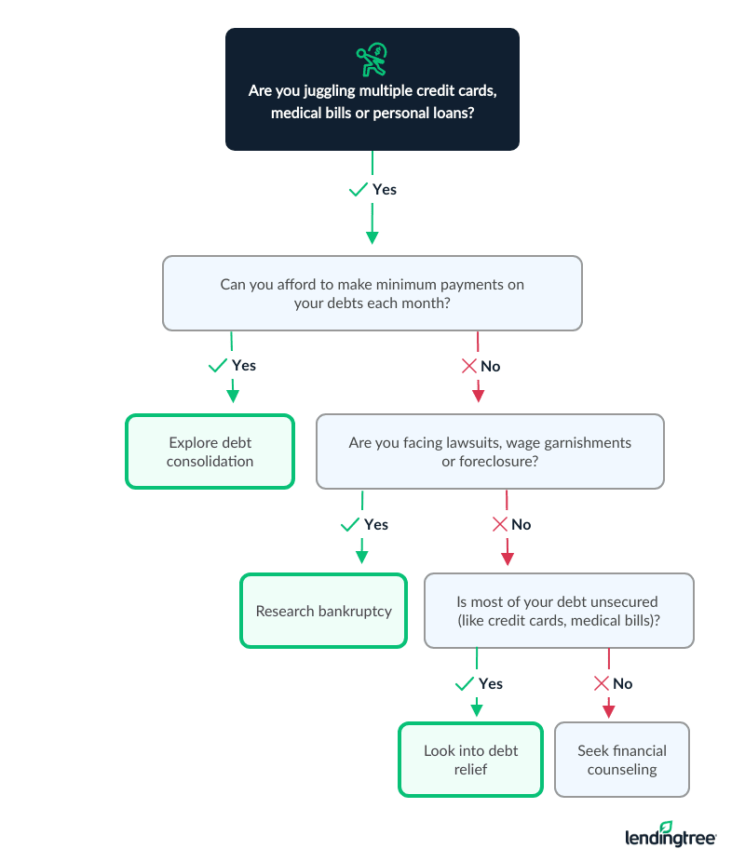
Only unsecured debts can be consisted of in a debt management plan. A few of the financial obligations that might be part of a DMP include: Credit card costs Medical costs Individual loans A debt management plan can use up to 48 months or longer to complete, according to the Federal Trade Commission.
"A lot of individuals on these strategies can pay their charge card debt, completely, in 5 years or less," she says. "Many pay it off in as low as two years." You may not have the ability to request credit while the strategy is in place, the FTC says. If you enroll in a debt management strategy, you need to adjust from utilizing credit frequently to living a cash-only way of life, Maliga says.
Start by identifying a trustworthy not-for-profit credit therapist. Some questions to ask to discover the finest credit therapy service, according to the Consumer Financial Security Bureau: Do you use in-person therapy? Do you offer help if somebody can't pay for to pay the costs?
Comparing Financial Relief Plan Reviews in 2026
Do not concur to a debt management plan unless you have actually talked with a credit counselor about your financial scenario and worked on a strategy to handle your cash problems, the FTC states. You will talk with a therapist in person, over the phone or online. Prepare by evaluating your credit reports you can access free weekly credit reports on and making a list of your debts.
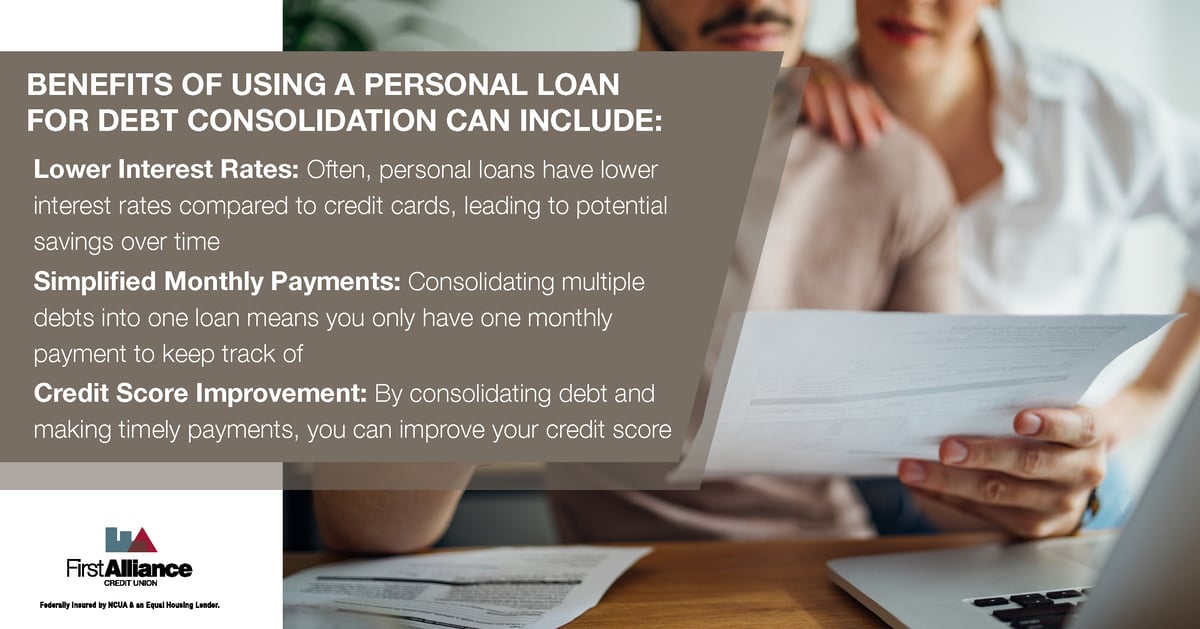
You might be needed to close accounts in a debt management plan, which can impact your credit. By the end of a debt management strategy, consumers normally emerge in a much stronger position, Maliga says.
You can develop a favorable payment history a crucial credit scoring factor and repay your accounts in complete. If you decide that a DMP won't work, consider among these alternatives: This kind of loan rolls multiple debts into a single fixed amount. A debt combination loan might make sense if the rates of interest is lower than what you are paying on your specific financial obligations, Wetzeler says.
Negotiating Monthly Fees for 2026 Borrowers
As soon as the tiniest debt is paid, you apply the funds you were putting towards that financial obligation to the next-smallest debt and repeat. This resembles the snowball approach, other than that you start by paying off the card with the greatest rates of interest, working your method down to the card with the most affordable rate, Maliga states.

Latest Posts
Is Debt Management Right for You in 2026?

Expert Guidance for Reducing Personal Debt in 2026
Should You Refinance High Interest Credit for 2026?