Featured


Navigating 2026 Filing Charges in Norfolk Debt Relief
Table of Contents
- – Determining Legitimate Help in 2026
- – The Role of Nonprofit Credit Therapy
- – Vetting Red Flags in the Debt Relief Market
- – Examining Accreditation and Counselor Certifi...
- – The Impact of Geographic-Specific Services
- – Concerns to Ask Before Registering
- – Comprehending Legal Financial Obligation Relie...
Determining Legitimate Help in 2026
Households and people dealing with financial stress in 2026 needs to navigate a marketplace filled with both important resources and predatory traps. As interest rates on unsecured credit stay a significant consider household spending plans, the need for clear, unbiased vetting of financial obligation relief entities has never ever been higher. Distinguishing in between a high-fee settlement company and a nonprofit credit therapy company needs a take a look at federal approvals and tax status. The majority of specialists recommend starting with organizations that hold a 501(c)(3) classification, as these entities run under strict federal guidelines concerning their mission and fee structures.
The Department of Justice maintains a list of approved credit therapy companies particularly for those thinking about personal bankruptcy, however these same organizations typically supply broader services. These firms use free credit therapy and debt management programs that do not require declare insolvency. Experts who focus on Debt Relief recommend reviewing organizational history and validating that an agency is member-certified by national bodies. This preliminary check avoids much of the typical mistakes connected with aggressive marketing seen in the financial obligation relief sector.
The Role of Nonprofit Credit Therapy
Not-for-profit firms supply a various experience compared to for-profit settlement companies. In 2026, the main tool for lots of customers is the Financial obligation Management Program (DMP) Unlike debt settlement, which encourages stopping payments to creditors, a DMP concentrates on consistent, structured repayment. The company works out straight with financial institutions to decrease rate of interest and waive late charges. This process consolidates numerous high-interest obligations into a single month-to-month payment, which is then distributed to the numerous lenders by the company.
Legal protections for customers have tightened substantially. Agencies should reveal all charges in advance, and not-for-profit designs typically keep these costs low, typically waiving them for those who satisfy particular earnings criteria. Norfolk Debt Relief typically has access to these services through partnerships with neighborhood groups or financial institutions. Because these programs are created to repay the full principal, they tend to have a less extreme influence on credit report than settlement or bankruptcy. This makes them a favored choice for those looking to maintain their monetary standing while addressing their liabilities.
Vetting Red Flags in the Debt Relief Market
Vigilance is needed when coming across business that make vibrant pledges. In 2026, the Federal Trade Commission continues to warn against any entity that requests upfront costs before they have settled or minimized any of your debt. This is a violation of federal law for for-profit telemarketers. If a business declares it can make your financial obligation "vanish" or "negotiate for cents on the dollar" without discussing the significant dangers to your credit and the potential for legal action from lenders, it is likely a rip-off.
Validate if the agency has a physical presence or a history of service in your state. While numerous firms operate nationwide, those with local ties often have a much better understanding of state-specific customer security laws. Consulting the Better Service Bureau and state chief law officer workplaces remains a standard step in the vetting process. Norfolk Debt Relief Programs has ended up being a staple for those looking for stability, however only when coupled with transparency and sensible expectations. A legitimate agency will never ever pressure an individual to sign an agreement throughout the first assessment.
Examining Accreditation and Counselor Certification
Quality financial obligation relief is rooted in the education of the counselor. In 2026, trustworthy agencies require their personnel to be accredited by independent 3rd parties. These certifications ensure the therapist comprehends the intricacies of consumer law, budgeting, and the psychological aspects of financial tension. An agency should be certified by a company like the National Foundation for Credit Therapy (NFCC) or the Financial Counseling Association of America (FCAA)
Housing counseling is another area where vetting is straightforward. Just HUD-approved firms should be trusted for mortgage-related advice or foreclosure avoidance. These companies go through rigorous audits to guarantee they offer impartial info. Borrowers often try to find Debt Relief in Norfolk when their regular monthly responsibilities end up being uncontrollable. If a company offers pre-bankruptcy counseling and pre-discharge debtor education, they must be on the particular list of companies authorized by the U.S. Trustee Program. This approval is a strong sign of the firm's authenticity and adherence to federal standards.
The Impact of Geographic-Specific Services
While the digital age enables remote assessments, the value of geo-specific services in 2026 can not be disregarded. Agencies that partner with local nonprofits and neighborhood groups in the local region typically provide a more customized approach. These companies understand the regional task market, cost of living, and particular state programs that might use additional relief. For example, some states have specific grants for energy help or residential or commercial property tax relief that a national-only company might neglect.
Community-based collaborations likewise extend the reach of monetary literacy education. Numerous nonprofit firms deal with local cooperative credit union and libraries to use workshops on budgeting and credit building. These instructional components are typically supplied free of charge and act as a preventative measure versus future financial obligation cycles. Dealing with financial obligation is hardly ever practically the mathematics; it includes comprehending the local economic aspects that add to financial instability. Dealing with a company that has a presence in the United States and its numerous sub-regions guarantees a wider point of view on readily available resources.
Concerns to Ask Before Registering
Before dedicating to any program, a thorough interview with the company is essential. A legitimate therapist will hang around reviewing your whole financial image, consisting of income, assets, and all costs, not simply your credit card balances. If the "therapist" acts more like a sales representative focusing just on one product, it is an indication to look elsewhere. You should ask about the specific charges included, how frequently they send reports to your lenders, and what happens if you miss a payment to the program.
Transparency concerning the timeline of the program is also a factor. A lot of debt management programs are created to be finished in 3 to five years. Any pledge of a much shorter timeline for significant debt must be seen with skepticism. Not-for-profit credit counseling stresses sustainable routines instead of quick repairs. The goal is to leave the program not just with less debt, however with the skills to handle money efficiently for the long term. This instructional focus is a hallmark of a company that is truly invested in the customer's success rather than just collecting a cost.
Comprehending Legal Financial Obligation Relief Options
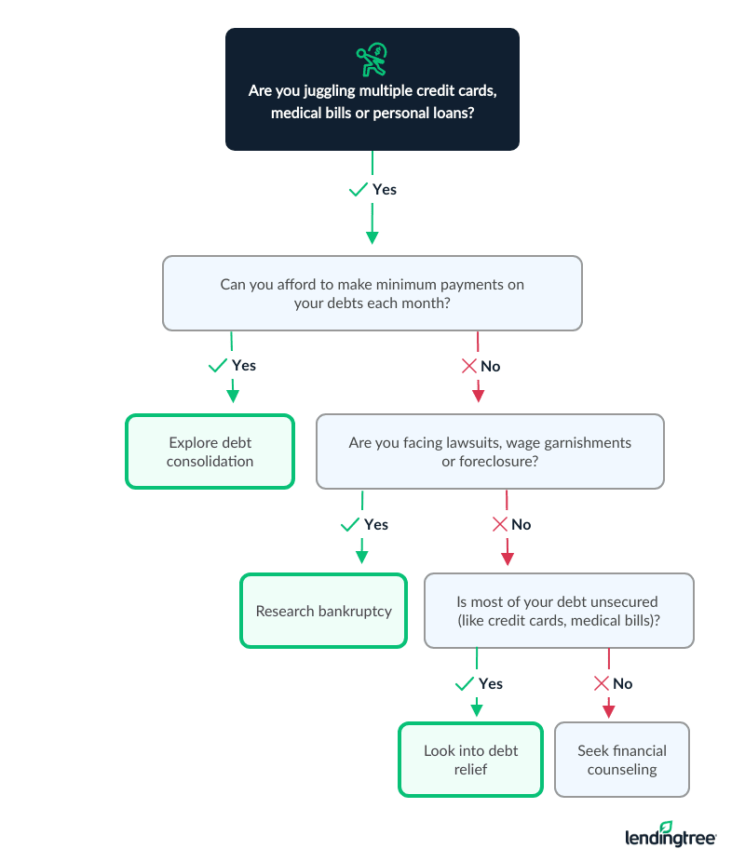
In 2026, the legal landscape surrounding financial obligation relief provides several courses, and a good vetting procedure assists determine which is most proper. Beyond credit counseling and debt management, there are legal choices such as Chapter 7 or Chapter 13 bankruptcy. A credible company will discuss these options openly and might even supply the needed certificates for filing. They will discuss that while personal bankruptcy is a tool of last resort, it is often the most accountable path for those with no sensible way to repay their commitments.
Insolvency must be talked about without stigma however with a clear understanding of the consequences. A vetted firm will explain the difference between secured debt, like a home loan or automobile loan, and unsecured financial obligation, like medical expenses or charge card. They will likewise highlight how various relief programs affect these categories. This level of information is what separates an expert service from a generic debt settlement operation. By putting in the time to confirm credentials, check federal approvals, and ask the best questions, consumers can find the assistance they need to regain their monetary footing in an increasingly complicated economy.

Table of Contents
- – Determining Legitimate Help in 2026
- – The Role of Nonprofit Credit Therapy
- – Vetting Red Flags in the Debt Relief Market
- – Examining Accreditation and Counselor Certifi...
- – The Impact of Geographic-Specific Services
- – Concerns to Ask Before Registering
- – Comprehending Legal Financial Obligation Relie...
Latest Posts
Is Debt Management Right for You in 2026?

Expert Guidance for Reducing Personal Debt in 2026
Should You Refinance High Interest Credit for 2026?
More
Latest Posts
Is Debt Management Right for You in 2026?
Expert Guidance for Reducing Personal Debt in 2026
Should You Refinance High Interest Credit for 2026?